R2V3 CERTIFIED & ISO CERTIFIED PROCESSING · SECURE DATA CLEARING · GLOBAL REMARKETING
Nationwide logistics and prepaid shipping

Retired technology can still have work to do.

Before valuable equipment is reduced to scrap, NextLife evaluates whether it still has a viable market, useful components, or another productive destination.

Value disappears when the disposition process stops looking for it.

A device can be outdated for your environment without being obsolete everywhere.

Different organizations, markets, regions, and buyers place value on different types and generations of technology. The challenge is not simply determining whether an asset is old.
It is understanding who can still use it and what they are willing to pay for it
NextLife combines asset evaluation with established resale channels to help move usable technology toward markets where it still has relevance.

We look beyond commodity value.

Traditional recycling often begins with a material question: How much is this equipment worth by weight?
Remarketing begins with a different question: What could this equipment still be worth as equipment?
That difference can be significant.
Assets may be sorted, tested, recertified, sold as complete units, or evaluated for component recovery depending on their condition and marketability.
The objective is not to force every asset into resale. It is to avoid destroying value before we know whether value is still there.

90,000 computers. 66 countries. One recovery strategy.

90,000

computers

66

countries

$2.5M+

recovered to date

A Technology-as-a-Service company tasked NextLife with remarketing approximately 90,000 computers distributed across 66 countries.

Some equipment required in-country resale. Other assets had to move through regional hubs across Asia, Europe, and Central America.
NextLife has recovered more than $2.5 million from the project to date and, according to the clientprovided case study, exceeded the prior vendor’s paid recovery by 140% on a like-for-like basis. The relationship later expanded to include U.S. ITAD operations and international ITAD partnerships across several regions.
That is what remarketing expertise changes: the question moves from “How do we get rid of this?” to “Where does this still belong?”

Condition should change the strategy, not end it.

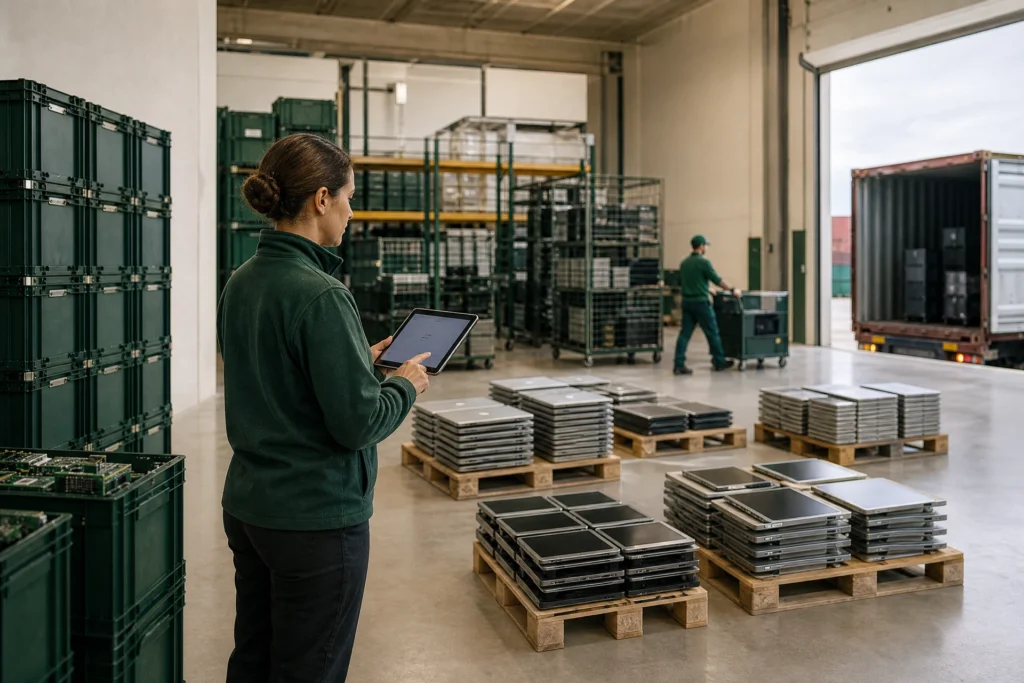
Another engagement involved 11,000 HP laptop/tablet devices used by field agents supporting the 2020 U.S. Census.
The equipment had initially been represented as higher-grade inventory, but approximately 90% was ultimately assessed as lower C/D-grade condition.
A conventional parts-recovery approach was estimated to return roughly $300,000. NextLife instead found a market for the complete units and recovered more than $1 million on the project..
Poor condition changed the opportunity. It did not eliminate it.

Global markets create more possible next lives.

Technology moves at different speeds in different markets.

Equipment that has fallen outside one organization’s standards may still serve another buyer, business, region, or use case.
NextLife’s resale relationships extend beyond the United States, giving its team more options when evaluating where usable equipment may have demand.
That broader perspective is one of the reasons we treat remarketing as a discipline of its own, not simply a step before recycling.

Before you recycle it, find out what it can still do.

Send us an inventory, equipment list, or a few details about what you are retiring. There may be more life—and more value—left in it than you expect.